
The Merits of a Three-Jaw Chuck in Lathe Machines
Posted: October 23, 2024 Filed under: Uncategorized | Tags: 2-jaw-chuck, 3-jaw-chuck, 4-jaw-chuck, collect-chuck, diy, lathe-chuck, machine-chuck, machine-tool, maintenance, news, power chuck, rotary cylinder, technology, tools Leave a commentIntroduction
In the realm of machining and metalworking, the lathe machine is a quintessential tool, pivotal for shaping materials into precise components. Among the various accessories that enhance the functionality of a lathe, the chuck plays a critical role. Specifically, the three-jaw chuck, often referred to as a self-centering chuck, is a popular choice in many workshops. This report delves into the merits of the three-jaw chuck, examining its design, functionality, and advantages in machining operations.
Design and Mechanism
The three-jaw chuck is characterized by its self-centering mechanism, which is achieved through a scroll gear system. This system links the jaws together, enabling them to move simultaneously when the scroll plate is rotated. This design allows the chuck to automatically center and grip cylindrical workpieces with ease (Runsom, 2023). The jaws are typically arranged at 120-degree intervals, ensuring uniform pressure distribution on the workpiece, which is crucial for maintaining stability during machining (The Engineers Post, 2023).
Advantages of the Three-Jaw Chuck
1. Simplicity and Ease of Use
One of the primary merits of the three-jaw chuck is its simplicity. The self-centering feature eliminates the need for manual adjustments of individual jaws, which significantly reduces setup time. This ease of use makes it an ideal choice for operators who frequently change workpieces or perform repetitive machining tasks (Shuntool, 2023). The chuck key, used to operate the scroll mechanism, allows for quick and efficient adjustments, further enhancing productivity.
2. Versatility
The three-jaw chuck is versatile, capable of holding a wide range of workpiece shapes, including round and hexagonal forms. This adaptability makes it suitable for various machining operations such as turning, drilling, and milling (Shuntool, 2023). Its ability to accommodate different diameters without the need for multiple chucks saves both space and cost in a workshop.
3. Quick Setup and Repeatability
The quick setup feature of the three-jaw chuck is particularly advantageous when working with multiple pieces of different sizes. The jaws can be adjusted effortlessly to accommodate various workpiece diameters, allowing for increased productivity and efficiency (Shuntool, 2023). Moreover, once the chuck is set up and tightened, it consistently centers the workpiece in the same position every time it is tightened. This repeatability is beneficial when machining multiple identical workpieces, as it eliminates the need to readjust the chuck for each workpiece (Shuntool, 2023).
4. Secure Grip and Holding Power
The three-jaw chuck provides excellent grip and holding power. The jaws exert a strong force on the workpiece, ensuring it remains securely in place during machining. This reduces the risk of workpiece slippage or movement, which can result in poor machining quality or damage to the workpiece (Shuntool, 2023). The reliable grip is particularly beneficial when working with materials that are difficult to machine or have irregular shapes.
5. Cost-Effectiveness
Compared to other types of chucks, the three-jaw chuck is relatively low-cost, making it an attractive option for many workshops. Despite its affordability, it offers a balance of precision, versatility, and ease of use, making it a valuable tool for various applications, from roughing to finishing (Shuntool, 2023).
Limitations
While the three-jaw chuck offers numerous advantages, it also has limitations. Its gripping force and clamping range may be insufficient for certain applications, particularly when dealing with heavy or irregularly shaped workpieces. Additionally, the precision of a three-jaw chuck is limited compared to a four-jaw independent chuck due to the tooth design of the scroll plate (Runsom, 2023). Furthermore, changing the jaws of a three-jaw chuck can be time-consuming and cumbersome, especially when working with a large number of workpieces or frequently changing setups (Shuntool, 2023).
Conclusion
In conclusion, the three-jaw chuck is a versatile and reliable tool in machining operations, offering simplicity, ease of use, and cost-effectiveness. Its self-centering mechanism and quick setup capabilities make it an ideal choice for machining cylindrical and hexagonal workpieces. While it may not offer the same level of precision or gripping power as a four-jaw chuck, its advantages make it a popular choice for many turning operations. Machinists should consider the specific requirements of their workpieces and operations when selecting a chuck type to ensure optimal performance and efficiency.

To meet your diverse needs for lathe chucks, we recommend exploring the products of AUTOGRIP MACHINERY CO., LTD. AUTOGRIP® is a professional CNC lathe chuck manufacturer and supplier based in Taiwan, offering a wide range of cnc machine chuck solutions, including:
- 2 Jaw Chucks
- 3 Jaw Chucks, 3 Jaw Self Centering Chuck
- 4 Jaw Chucks, 4 Jaw Independent Chuck
- Power Chucks
- Collect Chucks
- Rotary Cylinders
AUTOGRIP chucks are renowned for their high precision, reliability, and durability, making them ideal for various machining applications. Visit their website at https://www.autogrip-machinery.com/ to learn more and contact them to fulfill your specific requirements.
Market Trends and Growth of Manual Torque Wrenches
Posted: October 22, 2024 Filed under: Uncategorized | Tags: automotive, cars, diy, news, tools Leave a commentIncreasing Demand in Automotive Industry
The automotive industry remains a significant driver for the manual torque wrench market. With global vehicle production exceeding 90 million units in 2023, the demand for precise torque application has become crucial (Strategic Market Research). Manual torque wrenches are favored for their simplicity and reliability, making them indispensable in both assembly lines and maintenance operations. As vehicles become more complex, the need for precision tools that prevent over-tightening or under-tightening is paramount. This demand is further fueled by stringent safety regulations that require accurate torque application to ensure vehicle integrity and performance.
Technological Advancements and Ergonomic Designs
While manual torque wrenches are traditionally simple tools, recent advancements have introduced ergonomic designs that enhance user comfort and reduce fatigue during prolonged use. Manufacturers are focusing on lightweight materials and improved handle designs to cater to user preferences (Verified Market Reports). These innovations not only improve usability but also extend the lifespan of the tools by reducing wear and tear. Additionally, some manual torque wrenches now incorporate digital readouts to provide users with more precise torque measurements, bridging the gap between traditional and electronic tools.
Expansion in Construction and Engineering Sectors
The construction and engineering sectors are witnessing a surge in demand for manual torque wrenches due to the increasing complexity of projects and the need for precise fastening solutions. The Asia Pacific region, in particular, is experiencing rapid urbanization, leading to a proliferation of construction sites that require reliable torque tools (Industry Growth Insights). Manual torque wrenches are preferred in these sectors for their durability and ability to function in diverse environmental conditions. The growth in infrastructure projects globally is expected to continue driving the demand for these tools.
Competitive Landscape and Market Share
The manual torque wrench market is characterized by intense competition among key players who are continuously innovating to capture market share. Companies like Armstrong Tools, Atlas Copco, and GearWrench are prominent in this space, offering a wide range of products to meet diverse consumer needs (Industry Growth Insights). These companies are focusing on expanding their product portfolios and enhancing distribution networks to reach a broader audience. The market is also witnessing strategic partnerships and acquisitions aimed at strengthening market presence and technological capabilities.
Regional Market Dynamics
Regional dynamics play a crucial role in the growth of the manual torque wrench market. North America and Europe are mature markets with a high demand for precision tools driven by advanced manufacturing and automotive industries. In contrast, the Asia Pacific region is expected to witness the fastest growth due to rapid industrialization and urbanization (Rubix Market Research). The Middle East and Africa are also emerging markets, with increasing investments in infrastructure and construction projects boosting the demand for manual torque wrenches. Each region presents unique opportunities and challenges, influencing market strategies and product offerings.
Impact of Regulatory Standards
Regulatory standards and safety requirements significantly impact the manual torque wrench market. Industries such as automotive, aerospace, and construction are subject to rigorous regulations that mandate precise torque application to ensure safety and compliance (Global Industry Analysts, Inc.). These standards drive the adoption of high-quality, calibrated manual torque wrenches that can meet international specifications. Companies are investing in research and development to produce tools that not only comply with these standards but also offer enhanced performance and reliability.
Consumer Preferences and Behavioral Trends
Consumer preferences are shifting towards tools that offer greater accuracy, durability, and ease of use. There is a growing trend among both professional users and DIY enthusiasts to invest in high-quality manual torque wrenches that provide value for money (Strategic Market Research). This shift is driven by the increasing awareness of the importance of precision in fastening applications and the potential consequences of improper torque application. As a result, manufacturers are focusing on delivering products that align with these consumer expectations, incorporating features that enhance user experience and satisfaction.
Future Outlook and Growth Projections
The future of the manual torque wrench market looks promising, with sustained growth expected over the next decade. The market is projected to grow at a compound annual growth rate (CAGR) of 4.0% from 2023 to 2030, reaching significant revenue milestones (Global Industry Analysts, Inc.). This growth is attributed to the continuous expansion of key industries such as automotive, construction, and aerospace, coupled with technological advancements that enhance product offerings. The increasing focus on quality control and precision in manufacturing processes will continue to drive the demand for manual torque wrenches, making them an essential tool in various applications.
In summary, the manual torque wrench market is poised for robust growth, driven by technological innovations, expanding applications, and evolving consumer preferences. As industries continue to prioritize precision and safety, the demand for reliable and efficient manual torque wrenches is expected to rise, presenting lucrative opportunities for market players.

As a leading manual torque wrench manufacturer and supplier from Taiwan, Torque-Tech Precision Co., Ltd. specializes in a wide range of high-quality torque tools. Their hot product lineup includes


interchangeable torque wrenches
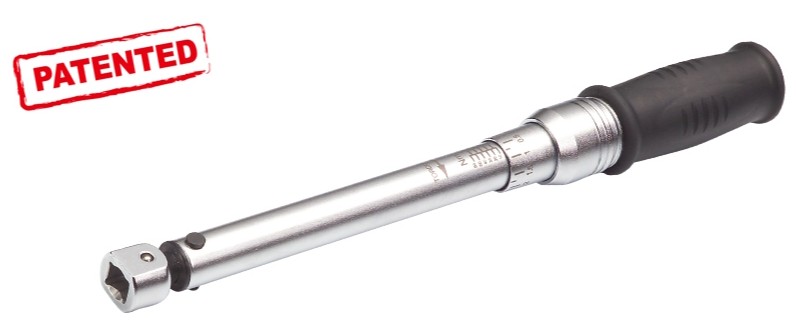
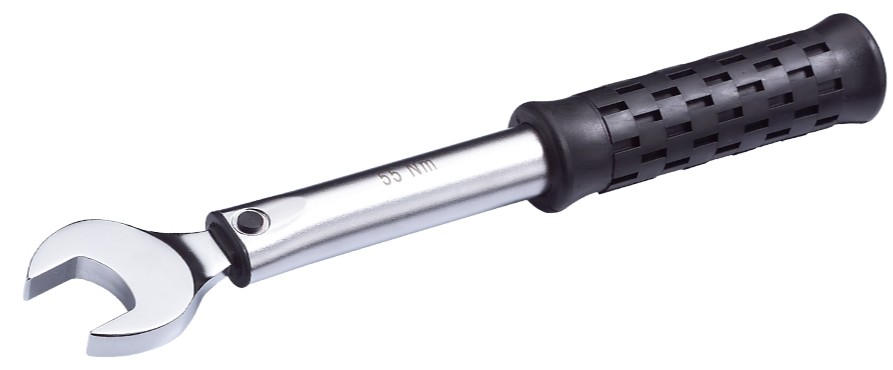

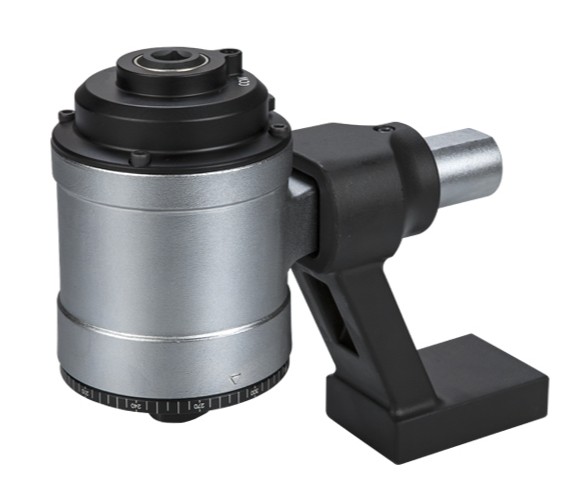


With a commitment to OEM/ODM torque wrench services, Torque-Tech is dedicated to meeting the diverse needs of their customers while ensuring precision and reliability in every tool they produce.
If you are looking for high-quality torque wrench tools, welcome to explore their extensive product offerings! Whether you are a professional or a DIY enthusiast, Torque-Tech has the customized solutions you need to enhance your efficiency and precision. Contact Torque-Tech now to discover how they can assist you!
Comprehensive Overview of Nylon Yarn
Posted: October 21, 2024 Filed under: Industrial, Manufacturer, Textile | Tags: nylon 6 yarn, nylon 66 yarn, nylon yarn Leave a commentNylon yarn, a synthetic fiber, has become an integral component in various industries due to its remarkable properties such as strength, elasticity, and durability. Initially developed by DuPont in the 1930s, nylon has evolved into a versatile material used in textiles, automotive, and industrial applications. This report delves into the properties, production processes, applications, and market trends of nylon yarn, providing a thorough understanding of its significance in modern industries.
Properties of Nylon Yarn
Physical Properties
Nylon is known for its high tenacity, with dry strength ranging from 4.6 to 8.8 grams per denier (g/d), though it experiences a 10-20% reduction in strength when wet (YarnsandFibers). It exhibits excellent elasticity, capable of elongating between 16% and 50%, and has superior elastic recovery due to the strong hydrogen bonds in its structure (Xometry). Nylon is lightweight, with a density of approximately 1.14 grams per cubic centimeter, and has a moisture regain of 2.5-5.0%, making it relatively non-absorbent (YarnsandFibers).
Chemical Properties
Nylon demonstrates good resistance to mild acids and alkalis, though it can be damaged by strong acids (YarnsandFibers). It also resists moths, mildew, and rot, but has moderate resistance to sunlight, which can lead to degradation over time (YarnsandFibers).
Thermal Properties
As a thermoplastic fiber, nylon can be heat set, which enhances its resiliency and dimensional stability. This property is particularly beneficial in applications where shape retention is crucial (YarnsandFibers).
Types of Nylon
Nylon fibers are categorized by the number of carbon atoms in their molecular structure, resulting in various types such as Nylon 6, Nylon 6,6, Nylon 11, and Nylon 12. Each type offers distinct properties suitable for specific applications (The Textile Journal).
Production Process
Nylon yarn production begins with the polymerization of petrochemicals like coal and petroleum. The resulting polymer is melted and extruded through spinnerets to form fibers, which are then stretched, heat-set, and textured to achieve desired properties (ScienceInfo). This process allows for the creation of both continuous filament yarns and staple fibers, which can be spun into yarns of varying compositions (Tonia Knits).
Applications of Nylon Yarn
Textile Industry
Nylon’s strength, elasticity, and moisture-wicking properties make it ideal for apparel, including activewear, hosiery, and lingerie. It is also used in home textiles like carpets and upholstery due to its durability and stain resistance (AYM Syntex).
Automotive and Industrial Uses
In the automotive sector, nylon is used for seat covers, airbags, and tire reinforcements, where its lightweight and durable nature is advantageous. Industrial applications include ropes, nets, and safety harnesses, benefiting from nylon’s high tensile strength and abrasion resistance (TextileEngineering).
Other Applications
Nylon is also employed in the production of fishing lines, medical sutures, and sports equipment, highlighting its versatility across diverse fields (TextileDetails).
Market Trends
Growth and Opportunities
The nylon yarn market is experiencing steady growth, driven by the expanding textile, automotive, and packaging industries. Innovations in production techniques, such as the use of recycled materials, are enhancing the sustainability of nylon yarn, aligning with increasing consumer demand for eco-friendly products (MarketResearchIntellect).
Challenges
Despite its positive outlook, the market faces challenges such as raw material price volatility and environmental concerns associated with petrochemical-based products. Addressing these issues through sustainable practices and technological advancements is crucial for continued growth (MarkwideResearch).
Regional Analysis
The nylon yarn market exhibits regional variations in consumption and production, with significant activity in North America, Europe, and Asia-Pacific. These regions are key players due to their robust textile and automotive industries (QYResearch).
Conclusion
Nylon yarn remains a vital material across various industries due to its unique combination of properties. As the market evolves, focusing on sustainability and innovation will be essential for manufacturers and stakeholders to capitalize on emerging opportunities. The ongoing demand for high-performance materials in textiles, automotive, and industrial applications underscores the importance of nylon yarn in the global market.
Understanding Oil Mist and the Need for Effective Collection
Posted: October 17, 2024 Filed under: Industrial, Manufacturer | Tags: mist collector, oil mist air cleaner, oil mist collector Leave a commentIn many industrial settings, such as CNC machining, grinding, and metalworking operations, oil mist is a common byproduct. This mist is created when coolant or oil is used during machining processes, generating fine droplets that can become airborne. These particles pose several risks in workshops, including air contamination, equipment damage, and health hazards for workers. This is where oil mist air cleaners and industrial air cleaners play a crucial role in maintaining a safe and efficient working environment.
Why Oil Mist Collectors Are Essential
The accumulation of oil mist in the air can have significant consequences. It can lead to slippery floors, damage sensitive electronics, and even increase the risk of fires. Additionally, prolonged exposure to airborne oil mist can result in respiratory issues for workers. To prevent these hazards, businesses often rely on oil mist collectors to capture and filter the mist before it circulates through the workshop.
Types of Oil Mist Collectors
Several types of oil mist filtration systems cater to different industrial needs:
- Coolant mist collectors: These devices are specifically designed to remove coolant mist from the air, which is commonly found in machining operations.
- Small mist collectors: Ideal for confined spaces or smaller machinery, these compact units provide effective mist collection in workshops with limited space.
- Industrial air filter cleaning machines: These machines ensure continuous air filtration by cleaning or replacing filters as needed.
- Industrial HEPA air filters: High-efficiency particulate air (HEPA) filters are often used in mist collection systems to capture fine particles, ensuring clean air in the workshop.
Benefits of Oil Mist Extraction Systems
Using an oil mist extractor has multiple advantages:
- Improved air quality: A high-quality workshop air filtration system can significantly reduce the concentration of harmful particles, leading to cleaner and healthier air.
- Extended equipment life: Coolant mist filters and oil mist extraction systems prevent oil mist from settling on machinery, reducing wear and tear and prolonging the lifespan of the equipment.
- Enhanced safety: Effective mist collection minimizes the risk of slip-and-fall accidents and reduces fire hazards by keeping oil mist under control.
LOMA: Your Trusted Oil Mist Collector Manufacturer
When it comes to finding a reliable oil mist collector manufacturer, Lotus Innovation Technology Co., Ltd. (LOMA) stands out for its high-quality oil mist filtration systems. Whether you need a coolant mist collector, a compact small mist collector, or an advanced industrial air filter cleaning machine, LOMA offers tailored solutions that fit seamlessly with various machine tools. Their oil mist collectors are designed to enhance air quality, protect equipment, and improve workplace safety.
For companies looking to optimize their mist collection systems, LOMA’s expertise and innovative designs make them a trusted partner. Get in touch with LOMA to explore how their oil mist air cleaners can improve the efficiency and safety of your workshop.

The best partner of oil mist collector manufacturer for your workshop—LOMA
Direct Flow RO: The Answer to Your Business’s Water Needs
Posted: October 15, 2024 Filed under: RO System | Tags: RO System, RO water system, sustainability, sustainable-living, water, water-filtration, water-quality Leave a commentIn recent years, the demand for clean and safe drinking water has significantly increased, driven by growing health concerns and environmental awareness. Businesses, in particular, are seeking efficient and sustainable solutions to provide high-quality water for their operations and employees. One of the most promising innovations in this sector is the direct flow reverse osmosis (RO) water filter system. This report delves into the introduction of direct flow commercial water filter systems, exploring their benefits, technological advancements, and market trends.
Understanding Direct Flow RO Systems
Direct flow RO systems represent a significant advancement in water filtration technology. Unlike traditional RO systems that require a storage tank to collect purified water, direct flow systems operate without a tank, delivering purified water on demand. This innovation addresses the limitations of conventional systems, such as slow flow rates and bulky storage requirements.
Key Features
- Compact Design: Direct flow systems are designed to be compact and lightweight, making them suitable for installation in various business environments, including offices, restaurants, and industrial settings. The absence of a storage tank reduces the system’s footprint, allowing it to fit into limited spaces.
- High Flow Rate: These systems provide a high flow rate, ensuring a continuous supply of purified water. For instance, the Puricom CIJ direct flow RO system offers a flow rate of 3.0 liters per minute, making it an economical and versatile choice for businesses worldwide.
- Ease of Maintenance: Direct flow systems are equipped with quick-change cartridge filters, simplifying maintenance and reducing downtime. This feature is particularly beneficial for businesses that require a reliable and hassle-free water filtration solution.

Benefits for Businesses
Enhanced Water Quality
Direct flow RO systems are designed to remove a wide array of contaminants, including pollutants, chemicals, and minerals that affect water taste and safety. This results in cleaner, fresher-tasting water that is safe for consumption. The improved water quality not only enhances employee satisfaction but also supports business operations that rely on high-quality water, such as food and beverage production.
Environmental Sustainability
By minimizing reliance on bottled water, Direct flow systems contribute to reducing plastic waste and the overall carbon footprint associated with water consumption. This aligns with the growing emphasis on eco-friendliness in the business world, allowing companies to demonstrate their commitment to environmental stewardship.
Cost-Effectiveness
Investing in a direct flow RO system can lead to substantial cost savings for businesses. The elimination of bottled water purchases and reduced maintenance requirements translate to lower operational expenses. Additionally, the system’s efficiency in water usage helps businesses optimize their resources and allocate savings to other areas of their operations.
Market Trends and Growth
The water filtration industry is experiencing significant growth, driven by increasing consumer awareness of water quality and health benefits. According to a report by United Consumer Financial Services, the demand for water filtration systems in homes across the U.S. is expected to grow at a compound annual growth rate (CAGR) of 10.5% over the next decade. This trend is mirrored in the commercial sector, where businesses are increasingly adopting advanced filtration technologies to meet their water quality needs.
Technological Advancements
The surge in demand has spurred innovation in water filtration technology. Companies are investing in research and development to enhance the efficiency and effectiveness of their systems. Modern filtration technologies, such as advanced membrane technology, have transformed the capabilities of water filtration systems, making them more compact and efficient.
Market Segmentation
The global water filter market is segmented into residential, commercial, and industrial end-users. The commercial segment, which includes businesses such as restaurants, cafes, and offices, is witnessing rapid growth due to the increasing need for high-quality water in these settings. The adoption of direct flow RO systems is particularly prevalent in this segment, given their suitability for commercial applications.
Challenges and Considerations
Despite the numerous benefits, businesses considering the adoption of direct flow RO systems must also be aware of potential challenges. One of the primary concerns is the high production and maintenance cost of these systems. Reverse osmosis filters, in particular, are expensive, and their maintenance requires a technically skilled workforce. The need for regular filter replacements to maintain water quality adds to the operational costs.
Addressing Challenges
To mitigate these challenges, businesses can explore options such as energy-efficient systems that reduce operational costs over time. Additionally, selecting a system with a higher filter capacity can minimize maintenance frequency, thereby reducing associated expenses.
Conclusion
The introduction of a direct flow commercial water filtration system marks a significant advancement in water filtration technology. These systems offer numerous benefits, including enhanced water quality, environmental sustainability, and cost-effectiveness. As the demand for clean and safe water continues to rise, businesses are increasingly turning to innovative solutions like direct flow RO systems to meet their needs.
The market for water filtration systems is poised for substantial growth, driven by technological advancements and increasing consumer awareness. However, businesses must carefully consider the associated costs and maintenance requirements when adopting these systems. By doing so, they can leverage the benefits of direct flow RO systems to enhance their operations and contribute to a more sustainable future.
 B2B Tool Online