
3-Way Adjustable Coilovers vs. 1-Way/2-Way: Why Professionals Choose Them
Posted: August 6, 2025 Filed under: Automotive Tools, Car Tool, Manufacturer | Tags: 1 way adjustable coilovers, 2 way adjustable coilovers, 3 way adjustable coilovers, racing car, racing car suspension, racing coilover Leave a commentThe world of performance suspension offers various levels of adjustability, from basic 1-way systems to highly sophisticated 3-way setups. For serious enthusiasts and professional racers, the choice often narrows down to advanced multi-way adjustable coilovers. This article will explore the distinctions between 1-way, 2-way, and 3-way adjustable coilovers, highlighting why the precision and control offered by 3-way systems make them a preferred choice for high-performance applications.
YellowSpeed, a manufacturer of adjustable coilovers, categorizes their products into different series, including “Dynamic Pro Sport 1-way,” “Club Performance 2-way,” “Club Performance 3-way,” “Pro Plus Racing 2-way,” and “Pro Plus Racing 3-way,” each designed for specific performance needs.
Understanding the Coilover Spectrum
- 1-Way Adjustable Coilovers: These systems typically feature a single damping adjustment that simultaneously affects both compression and rebound. YellowSpeed’s “Dynamic Pro Sport 1-way” is designed for enthusiasts seeking a balance of handling and comfort for daily driving and occasional track use. Their “Premium Competition 1-way” is tailored more for motorsports, focusing on durable and competitive damping setups. A “Super Low 1-way” option is also available for significant vehicle lowering. These systems generally offer 33-way damping settings.
- 2-Way Adjustable Coilovers: Offering a step up in control, 2-way systems provide separate adjustments for compression and rebound damping. YellowSpeed’s “Club Performance 2-way” and “Pro Plus Racing 2-way” systems fall into this category. A key feature of these higher-performance systems is an external canister (reservoir), which increases oil capacity and aids in superior heat dissipation, allowing for prolonged operation and improved performance due to more stable damping rates. These systems typically feature 33 levels of separate rebound and compression damping adjustment.
- 3-Way Adjustable Coilovers: Representing the pinnacle of adjustability, 3-way systems add a critical layer of control by further dividing compression damping into independent low-speed and high-speed adjustments, in addition to separate rebound control. YellowSpeed’s “Club Performance 3-way” and “Pro Plus Racing 3-way” offer this advanced capability. These systems typically provide 50 clicks for high-speed compression, 24 clicks for low-speed compression, and 33 clicks for rebound damping, enabling fine-tuning for diverse road conditions.
The Distinct Advantage of 3-Way Systems
The ability to separately control high-speed and low-speed compression, alongside rebound, provides significant advantages for serious performance driving:
- Precision Chassis Control: Low-speed compression helps manage body roll and weight transfer during turning, acceleration, and braking, allowing a driver to “feel the weight of the car” more effectively. High-speed compression, on the other hand, isolates the damping for quick, sharp impacts, maintaining tire contact over rough surfaces. This separation means the suspension can be tuned to be firm for body control without being overly harsh over bumps.
- Enhanced Heat Management and Consistency: Like 2-way systems, 3-way coilovers from YellowSpeed utilize an external canister. This design significantly increases oil volume, which is crucial for dissipating heat generated during aggressive driving. Superior heat dissipation leads to more stable damping rates over extended periods of use, preventing performance degradation due to fluid overheating.
- Superior Compromise for Diverse Conditions: An expert observed that 3-way suspension provides a “much, much better compromise” than 1-way, especially when encountering bumps and potholes. This adaptability allows for setups that can handle varied road cambers and “B-roads,” as demonstrated by the use of softer custom spring rates (front 120 Newton meters, rear 70 Newton meters) on a GR Yaris for “rally special stage roads” which are significantly softer than typical circuit setups.
- Optimized for Competition: YellowSpeed’s “Pro Plus Racing 3-way” coilovers are specifically developed through extensive testing and actual racing experience for “any track/circuit race, endurance race or circuit lap record competition,” with racing tires recommended for optimal performance.
Expert Application and Setup Nuances
Setting up a 3-way system involves starting from a “full soft” position and adjusting in three-click increments, eventually transitioning to one-click fine-tuning once a good baseline is established. The process emphasizes recording every change and the resulting driving sensations. This meticulous approach is what allows drivers to extract the maximum performance and feel from their vehicles across a spectrum of driving conditions.
Conclusion
While 1-way and 2-way adjustable coilovers offer valuable performance enhancements, the independent control provided by 3-way adjustable systems makes them the preferred choice for drivers and teams seeking the ultimate precision and adaptability. Their ability to manage distinct damping forces, coupled with features like external reservoirs for thermal stability, enables vehicles to perform optimally across highly varied and demanding conditions, from complex road courses to rough rally stages.
For those considering the advanced control offered by 3-way adjustable coilovers, reputable manufacturers like YellowSpeed provide detailed specifications and competitive solutions across their “Club Performance” and “Pro Plus Racing” lines. Inquiring about their options for your specific vehicle could help in finding a suitable system for your performance needs.
Ultimate Guide to Setting Up Your 3-Way Adjustable Coilovers
Posted: August 6, 2025 Filed under: Automotive Tools, Car Tool, Manufacturer | Tags: 3 way adjustable coilovers, racing car, racing car suspension, racing coilover Leave a commentAdjustable coilovers are a critical component for fine-tuning a vehicle’s handling, and among them, 3-way adjustable coilovers offer the highest level of precision. These sophisticated suspension systems allow drivers to independently control high-speed compression, low-speed compression, and rebound damping. Understanding how to properly set them up can significantly enhance your driving experience, whether on daily roads or dedicated track days. This guide draws insights from expert experiences, offering practical steps to optimize your 3-way setup.
The Expert’s Starting Point: From Full Soft to Precision
When beginning the setup process for a 3-way adjustable coilover system, an expert approach involves starting from a “full soft” setting and making adjustments “three clicks by three clicks”. This methodical approach allows for a controlled understanding of how each adjustment impacts the vehicle’s behavior. Crucially, it is recommended to record your settings and driving sensations after each change. This documentation helps pinpoint what works well and what could be improved.
Navigating Compression Adjustments
Compression damping controls how quickly the shock compresses under force, providing more control over the chassis platform. In a 3-way system, this is split into high-speed and low-speed.
- High-Speed Compression: This setting primarily affects how the car reacts to sudden, rapid impacts like potholes or bumps, and can prevent “bottoming out”. An initial recommendation is to set high-speed compression at “three clicks from soft”. If the vehicle frequently bottoms out, stiffening this setting may be necessary. Conversely, if you feel a lack of consistent wheel contact, a slightly softer setting might be explored, though this is often a delicate balance.
- Low-Speed Compression: This adjustment influences how the car settles and transfers weight during slower movements such as turning, accelerating, or braking. To test this, raise the setting “three clicks at a time” to observe when the car starts feeling “too dodgy on the steering wheel” or overly reactive to road imperfections. The goal is to find a point where you “feel the weight of the car while turning the steering wheel,” ensuring the steering doesn’t feel “too immediate” or “too easy”. This test should be conducted at low, medium, and high speeds, as vehicle weight perception changes with speed.
The Critical Role of Rebound
Rebound damping controls how quickly the shock extends after compression, essentially “pulling the car up from the sides”. This setting has a significant impact on the car’s overall performance and steering feel. While a natural inclination might be to set rebound to full stiffness, this can be counterproductive. Excessive stiffness can reduce traction, as the damper may not return to its relaxed position quickly enough, potentially leading to tire overheating due to reduced contact patch weight. Rebound settings are particularly felt in the steering and significantly influence the “mid-corner phase” of how the car feels. Adjustments can be differentiated between the front and rear axles.
Fine-Tuning for Perfection & Long-Term Performance
Once an initial satisfactory setup is achieved, especially with a high-quality system, adjustments can be made with even greater precision, moving “one click by one click” instead of three. The inherent adjustability of 3-way suspension systems provides a “much, much better compromise” compared to 1-way systems, particularly when dealing with varied road surfaces and imperfections.
Additionally, 3-way coilovers offer an advantage as they age: when the suspension dampers begin to wear out, the available adjustment range provides “headroom” to increase settings, allowing you to “get back to where your sweet spot was”.
YellowSpeed’s Engineering for Performance
Manufacturers like YellowSpeed incorporate advanced engineering into their 3-way adjustable coilovers to ensure durability and consistent performance:
- Monotube Internal Design: Features a high-rigidity 52mm shock body, which increases oil capacity for more stable damping, contributing to agile steering and vehicle stability.
- High-Quality Materials: Piston rods are made from S45C steel, undergoing heat treatment for rigidity and durability. Springs are produced from SAE9254 high-strength steel for optimal durability and resistance to long-term wear.
- External Canisters: A key feature in their 2-way and 3-way Club Performance and Pro Plus Racing models, these external reservoirs provide increased oil volume for superior heat dissipation, ensuring stable damping rates even during prolonged, aggressive use.
Conclusion
Mastering the setup of your 3-way adjustable coilovers is an iterative process, requiring patience and meticulous observation. By understanding the distinct roles of high-speed compression, low-speed compression, and rebound, and applying a systematic adjustment methodology, drivers can unlock the full potential of their vehicle’s handling characteristics. The advanced design and material quality found in these systems provide the necessary precision and durability for demanding applications.
For those looking to explore high-performance 3-way adjustable coilovers, considering options from manufacturers like YellowSpeed, who offer various adjustable coilover solutions including their Club Performance and Pro Plus Racing 3-way systems, could be a next step. Their products feature comprehensive adjustability and robust construction designed for demanding conditions.
The Advantages of Pneumatic Tools Over Electric Alternatives in Industrial Applications
Posted: July 1, 2025 Filed under: Uncategorized Leave a commentPneumatic tools, powered by compressed air, have long been a staple in industrial settings. Their advantages over electric tools are numerous, particularly when it comes to power output, durability, and suitability for heavy-duty applications. Here’s an exploration of why pneumatic tools often outshine their electric counterparts in industrial environments.

Raw Power and Durability
Pneumatic tools deliver unmatched power-to-weight ratios. This makes them ideal for tasks requiring high torque or sustained force—think automotive repairs or assembly lines. Unlike electric tools that might overheat during prolonged use, pneumatic variants can operate continuously without faltering. Their simpler mechanical design also contributes to their longevity; fewer moving parts mean less wear and tear.
Cost Efficiency in the Long Run
While pneumatic tools require an upfront investment in compressors and hoses, their operational costs tend to be lower over time. The continuous air supply ensures consistent performance without the need for battery replacements or frequent motor repairs typical of electric tools.
Safety Under Pressure
In wet or hazardous conditions, pneumatic tools shine as they eliminate risks associated with electrical shocks. This makes them particularly valuable in industries like chemical processing or construction where safety is paramount.
Precision Meets Power
For repetitive tasks demanding precision—like tightening bolts on assembly lines—pneumatic tools excel due to their consistent power delivery. They’re also lighter than many electric alternatives, reducing operator fatigue during extended use.
Challenges Worth Considering
However, it’s not all smooth sailing with pneumatic systems. The reliance on compressors means mobility can be restricted by hoses and equipment weight. Noise levels from both the tool and compressor can also be significant, necessitating hearing protection in many cases.
Electric tools do offer advantages in portability and quieter operation but often fall short in raw power and endurance when compared to air-powered options.
For industries prioritizing strength, durability, and efficiency under demanding conditions, pneumatic tools remain a powerhouse choice. They may require initial setup investments but pay off with reliability that keeps operations running smoothly day after day.

As industries continue to lean on the strengths of pneumatic tools, partnering with a trusted manufacturer becomes crucial. KYMYO Industrial Co., Ltd., a leading Taiwan-based pneumatic tools manufacturer, delivers precisely that with its wide range of high-performance air tools. Their flagship products include the air sander for smooth surface finishing, mini air random orbital sanders for tight-space precision work, and advanced solutions like robotic orbital sanders designed for automation needs. Additional offerings such as the jitterbug orbital air sander, air belt sander, air line sander, and various air grinders, including the angle grinder and air powered die grinder, showcase KYMYO’s commitment to both innovation and durability. Whether for manual operation or robotic integration, KYMYO’s tools are built to meet the toughest industrial demands with power, precision, and reliability.
Torque Wrench Sales Growth: Industry Drivers
Posted: June 10, 2025 Filed under: Uncategorized Leave a comment
Torque wrenches are indispensable tools in various industries, ensuring that bolts and nuts are tightened to precise specifications. The demand for these tools is driven by the need for safety, efficiency, and compliance with stringent standards across different sectors. This report delves into the industries that are currently driving the most significant growth in torque wrench sales, based on recent data and forecasts.
Automotive Industry
The automotive industry is a major driver of torque wrench sales. As the sector evolves with advancements in electric vehicles (EVs) and automation, the demand for precise and reliable torque tools has surged. Torque wrenches are crucial for ensuring that all components in vehicles are assembled to exact specifications, which is vital for safety and performance. The increasing production of vehicles, especially EVs, necessitates the use of specialized torque wrenches that can handle new materials and components (DataIntelo, 2025).
The global automotive torque tools market was valued at USD 3.2 billion in 2023 and is anticipated to grow at a CAGR of 5.5% between 2024 and 2032. This growth is fueled by the expansion of vehicle production and the rising demand for EVs, which require advanced torque tools for precise assembly (Global Market Insights, 2023).
Aerospace Industry
The aerospace sector is another significant contributor to the growth of torque wrench sales. In this industry, torque wrenches are essential for maintaining stringent safety protocols during aircraft assembly and maintenance. The precision required in fastening aircraft components makes torque wrenches indispensable tools. The continued growth of the aerospace sector, driven by increasing air travel demand and military expenditures, is expected to sustain the demand for torque wrenches, particularly advanced electronic models that offer high accuracy and data recording (Verified Market Reports, 2023).
Construction Industry
The construction industry employs torque wrenches for precise fastening of structural elements, ensuring the integrity of buildings and infrastructure. The market’s expansion is largely attributed to the rising awareness of the importance of using accurate torque tools in assembly processes. The construction industry alone is projected to grow by 11% from 2020 to 2030, further amplifying the demand for reliable torque wrenches (Verified Market Reports, 2023).
Oil and Gas Industry
In the oil and gas sector, hydraulic torque wrenches play a critical role in ensuring that connections are made with the correct torque specifications, which is vital for safety and operational efficiency. The demanding nature of operations in this sector necessitates the use of high-precision tools that can withstand extreme conditions while delivering reliable performance. Hydraulic torque wrenches are particularly valued for their ability to handle large flanges and heavy machinery, making them indispensable in drilling, pipeline installation, and maintenance operations (Insight Research Pro, 2025).
Power Generation Sector
The power generation sector relies heavily on hydraulic torque wrenches for the assembly and maintenance of critical components in power plants, including turbines. With the global shift towards renewable energy sources, there is a growing need for efficient maintenance of wind turbines, solar panels, and other renewable energy equipment. Hydraulic torque wrenches play a crucial role in assembling and maintaining these structures, ensuring their optimal performance and longevity (DataIntelo, 2025).
Technological Advancements and Market Trends
Technological advancements, such as the development of digital torque wrenches that provide real-time torque readings, are reshaping consumer preferences. The integration of smart technologies is anticipated to enhance the usability and accuracy of these tools, thereby propelling market growth. The rise of automation in industrial processes is driving the adoption of torque wrenches integrated with robotic systems and digital platforms, enhancing operational efficiency (Core Market Research, 2025).
Conclusion
The growth in torque wrench sales is being driven by several key industries, including automotive, aerospace, construction, oil and gas, and power generation. Each of these sectors requires precise and reliable torque tools to ensure safety, efficiency, and compliance with stringent standards. As industries continue to evolve and adopt new technologies, the demand for advanced torque wrenches is expected to increase, supporting market expansion in the coming years.
Recommendation
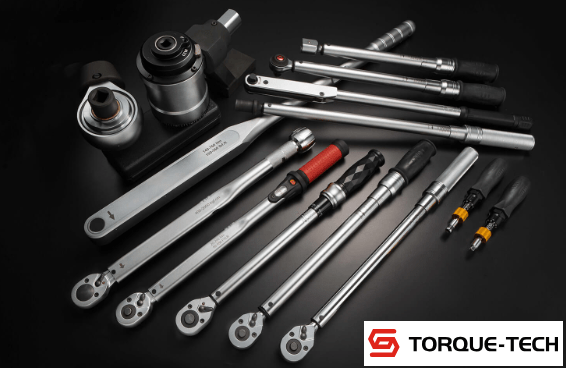
As global demand for precise torque tools continues to rise, choosing a reliable and professional manufacturer is crucial. Torque-Tech Precision Co., Ltd., a renowned manual torque wrench manufacturer based in Taiwan, offers a wide range of high-quality products tailored for various industrial applications:
👉Industrial Torque Wrench: Built for heavy-duty environments, this model ensures consistent torque output and durability for demanding industrial tasks.
👉 Reversible Torque Wrench: Designed for both clockwise and counterclockwise operations, providing flexibility and ease of use in tight or variable spaces.
👉Open End Torque Wrench: Ideal for working in restricted areas where standard ratchet heads can’t fit; perfect for unique or hard-to-reach components.
👉Interchangeable Head Torque Wrench: Offers multiple interchangeable heads to suit various applications, increasing versatility and efficiency on production lines.
👉Split Beam Torque Wrench: Features high accuracy and long service life, with no need for reset after use, ideal for repetitive tightening tasks.
👉 Ratchet Torque Wrench: Equipped with a robust ratcheting mechanism to boost efficiency during assembly and maintenance operations.
Advantages of Using Pneumatic Tools Over Electric or Battery-Operated Alternatives
Posted: May 8, 2025 Filed under: Uncategorized Leave a commentPneumatic tools, often referred to as air tools, have carved a niche for themselves in industrial and professional settings. While electric and battery-operated tools dominate the consumer market due to their convenience, pneumatic tools bring distinct advantages that make them indispensable in specific environments.
1.Lightweight Design
One of the standout features of pneumatic tools is their lightweight nature. Unlike electric tools that house motors or batteries, pneumatic counterparts rely on compressed air for power. This design significantly reduces weight, making them easier to handle over extended periods. Whether you’re working on an assembly line or performing repetitive tasks, the reduced fatigue can lead to better productivity and precision.
2.Superior Power-to-Weight Ratio
Pneumatic tools excel in delivering high torque and speed relative to their size and weight. The conversion efficiency of compressed air into mechanical energy allows these tools to outperform electric ones of similar dimensions. For heavy-duty applications like automotive repairs or industrial manufacturing, this enhanced performance is a game-changer.
3.Cost Efficiency Over Time
While the initial setup—buying an air compressor—might seem costly, the long-term savings are substantial. Pneumatic tools themselves are generally less expensive than their electric counterparts because they lack complex internal components like motors. Additionally, maintenance costs tend to be lower since these tools are designed for durability and user-serviceability.
4.Durability and Longevity
Built with robust materials such as metal housings, pneumatic tools are engineered to withstand rigorous use in harsh conditions. They don’t suffer from overheating issues common with electric motors during prolonged operations. Moreover, regular maintenance—like lubrication and filter replacements—ensures they remain operational for decades.
5.Safety in Challenging Environments
Electricity poses risks in certain work conditions involving moisture or flammable substances. Pneumatic tools eliminate these hazards entirely since they operate on compressed air rather than electrical currents. This makes them ideal for industries like mining or chemical processing where safety is paramount.
6.Versatility Across Applications
From impact wrenches to spray guns, a single air compressor can power a diverse range of pneumatic tools through quick-connect fittings. This versatility not only simplifies tool management but also enhances workflow efficiency by allowing seamless transitions between tasks without needing multiple power sources.
7.Environmental Considerations
Although often overlooked, the environmental footprint of using pneumatic systems can be lower compared to battery-operated alternatives that require frequent charging cycles and eventual disposal of batteries.
In conclusion, while electric and battery-powered tools offer unmatched portability and ease of use for casual users or light-duty tasks, pneumatic tools reign supreme in demanding professional settings where power, durability, and cost-efficiency take precedence.

For professionals and enthusiasts seeking unparalleled performance in pneumatic tools, LICOTA stands as a beacon of quality and innovation. With an extensive range of air-powered solutions tailored for industries such as automotive, construction, and manufacturing, LICOTA ensures every tool is crafted to deliver precision, durability, and efficiency. From impact wrenches to air grinders, their products are designed with user-centric features that enhance productivity while maintaining safety standards. Whether you’re outfitting a workshop or tackling demanding tasks on-site, LICOTA’s commitment to excellence makes them the go-to choice for pneumatic tools and portable tool sets worldwide. Explore their offerings today and elevate your work experience!
Choosing the Best End Mill for Aluminum Machining
Posted: February 11, 2025 Filed under: Industrial, Manufacturer | Tags: aluminum end mill, aluminum machining, end mill, rough end mill Leave a commentWhen machining aluminum, selecting the right end mill is a game-changer. This lightweight, corrosion-resistant material is highly machinable, but it demands precision in tool choice to achieve optimal results. Here’s a breakdown of the key features and recommendations for choosing the perfect end mill for aluminum.
Material of the End Mill
Carbide end mills are the go-to choice for aluminum machining. Why? They boast superior wear resistance, thermal stability, and rigidity compared to high-speed steel (HSS) or cobalt options. Carbide tools not only last longer but also enable faster cutting speeds, boosting productivity and trimming costs. If you’re in it for the long haul, carbide is your best bet.
Coatings: The Secret Sauce
While uncoated end mills can handle aluminum decently, coatings elevate performance to a whole new level. Diamond-like carbon (DLC) coatings, for instance, offer exceptional surface hardness and low friction, making them ideal for high-speed operations. Polycrystalline diamond (PCD) coatings? They’re the heavyweights for high-volume production, delivering unmatched wear resistance and tool longevity.
Geometry: It’s All About the Angles
Geometry is where the magic happens. A high helix angle, typically between 40° and 45°, is a must. This design ensures efficient chip evacuation, minimizes heat buildup, and prevents the dreaded chip re-cutting. Flute count matters too—two or three flutes are standard for aluminum, providing ample chip space and smooth evacuation. Don’t overlook sharp cutting edges with a positive rake angle; they’re essential for reducing cutting forces and achieving a flawless finish.
Tool Diameter and Length: Size Matters
The tool’s diameter and length can make or break your machining process. Larger diameters enhance rigidity and reduce deflection, improving surface finish and extending tool life. However, they may require slower speeds and generate higher forces. As for length, shorter tools are better. They minimize deflection and vibration, ensuring stability. Stick to a length-to-diameter ratio of no more than 4:1 for best results.
Chip Management: Keep It Clean
Efficient chip management is crucial. Features like polished flutes, variable helix designs, or chip-breaking elements are your allies in preventing chip re-cutting and built-up edge formation. These enhancements not only streamline the process but also protect your tool and workpiece.
Final Thoughts
Choosing the right end mill for aluminum isn’t just about picking a tool—it’s about optimizing your entire machining process. By focusing on material, coatings, geometry, size, and chip management, you can achieve superior results and extend tool life. Whether you’re a seasoned machinist or a newcomer, these insights will set you on the path to success.
Are you searching for the ideal aluminum roughing end mill to enhance your machining efficiency? You can consider the APAL Bullet-Shaped Design End Mill from JLC is engineered to address these needs effectively. Its bullet-shaped design enhances slop processing and large-angle cutting, making it particularly suitable for rough milling applications. Manufactured from a German special carbide round bar and coated with premium DLC, this end mill effectively prevents aluminum chip adhesion, ensuring longer tool life and superior workpiece surface quality. For more detailed information and specifications, you can visit Jin Li Cheng Cutting Tool Co., Ltd.

Recent Innovations in Racing Car Suspension
Posted: December 10, 2024 Filed under: Uncategorized Leave a commentThe world of motorsports is continuously evolving, and one of the most significant areas of advancement is in racing car suspension systems. These innovations are crucial for enhancing vehicle performance, safety, and driver comfort. Among the leaders in this field is Yellow Speed Racing (YSR), a renowned Taiwanese manufacturer specializing in high-performance suspension systems. This blog post explores recent innovations in racing car suspension and highlights YSR’s key products, including their racing coilovers and big brake parts.

Technological Advancements in Suspension Systems
- Simplified Suspension Designs
The latest trends in racing have seen a shift toward simplified suspension systems, particularly in Formula 1. The 2022 regulations aimed to reduce complexity for better mechanical reliability. This change has led to the adoption of mechanical heave springs, which, while bulkier, provide enhanced stability and predictability on the track.
- Active Suspension Systems
Active suspension systems are making a comeback thanks to advancements in hydraulics and electronics. These systems allow real-time adjustments to optimize handling and tire management. Although active suspension was previously banned due to cost concerns, modern technology promises more affordable solutions, potentially paving the way for its reintroduction in competitive racing.
- Innovative Material Use
The integration of lightweight and sustainable materials is transforming suspension systems. These materials not only reduce vehicle weight but also enhance durability and performance. YSR’s commitment to using high-quality materials ensures that their products maintain optimal performance under various racing conditions.
Impact on Racing Performance
- Enhanced Stability and Handling
Recent innovations have significantly improved stability and handling characteristics of racing cars. For instance, YSR’s Dynamic Pro Sport coilovers feature 33-way adjustable damping settings that allow drivers to fine-tune their suspension for different tracks and driving styles. This adaptability is crucial for maintaining high speeds while ensuring optimal contact with the road surface.
- Improved Ride Quality
The focus on ride quality has become paramount, especially in endurance racing where driver comfort is essential. YSR’s coilover systems are designed for both daily driving and occasional track use, providing an excellent balance between comfort and performance.
- Fuel Efficiency and Aerodynamics
Innovations in suspension contribute to better fuel efficiency and aerodynamics by optimizing component design and reducing weight. YSR’s products help achieve lower drag and increased downforce, allowing racers to maximize speed without compromising fuel consumption.
Future Trends in Suspension Systems
1.Integration with Autonomous Technologies
As autonomous technologies advance, their integration with suspension systems will likely enhance performance further. Smart suspension systems that communicate with other vehicle components can optimize handling dynamically, offering exciting possibilities for both racing and commercial applications.
- Sustainable Materials
The automotive industry is moving towards sustainability, and YSR is at the forefront of this trend by incorporating eco-friendly materials into their designs. This commitment not only reduces environmental impact but also enhances performance through innovative adaptive properties.
Conclusion
The recent innovations in racing car suspension systems are reshaping the landscape of motorsports, providing enhanced performance, safety, and efficiency. Yellow Speed Racing stands out as a leader in this field with its cutting-edge products like racing coilovers, 1-way to 3-way adjustable coilovers, and big brake kits designed for optimal performance on the track. As these technologies continue to evolve, they will play a pivotal role in defining the future of competitive racing, offering exciting opportunities for both manufacturers and drivers alike.
Compact Electric Actuator Market Trends in 2025-2026
Posted: December 5, 2024 Filed under: Uncategorized Leave a commentIntroduction
The compact electric actuator market is poised for significant growth in the mid-2020s, driven by technological advancements and increasing demand across various industries. This report aims to provide a comprehensive analysis of the trends expected in the compact electric actuator market during 2025-2026. The focus will be on market drivers, challenges, and projections, utilizing data from reliable sources to offer a detailed and informative overview.

Market Overview
Compact electric actuators are devices that convert electrical energy into mechanical motion, typically used for precise and powerful linear movements. These actuators are characterized by their small size, efficiency, and ability to provide accurate control in various applications. The global market for compact electric linear actuators is projected to reach USD 2.03 billion by 2030, with a compound annual growth rate (CAGR) of 5.8% during the forecast period from 2024 to 2030 (QYResearch).
Market Drivers
Automation and Industrial Processes
One of the primary drivers of the compact electric actuator market is the growing trend of automating industrial processes. Automation aims to increase productivity, reduce human error, and lower operational costs, which significantly boosts the demand for compact linear actuators. These actuators are essential components in automated systems for positioning, lifting, or controlling mechanisms (QYResearch).
Technological Advancements
Advancements in motor efficiency, materials science, and control systems have enabled the development of more compact, powerful, and precise linear actuators. These improvements have expanded the applications of compact electric actuators in various industries, including automotive, aerospace, and manufacturing (QYResearch).
Electric Vehicles and Automotive Industry
The automotive industry, particularly the electric vehicle (EV) sector, is a significant market for compact electric actuators. As the industry transitions towards electric vehicles, autonomous systems, and smarter technologies, the demand for advanced actuator solutions is expected to rise. These components are vital for enhancing safety, performance, and connectivity in modern vehicles (Mobility Foresights).
Market Challenges
High Initial Costs
Despite the benefits, the high initial cost of compact electric actuators compared to traditional actuation methods can deter potential adopters, especially in cost-sensitive industries. This financial barrier may slow down the adoption rate in certain sectors (QYResearch).
Integration Complexity
The complexity of integrating compact electric actuators into existing infrastructures poses a challenge for manufacturers and end-users alike. The need for specialized knowledge in electronics and control systems can complicate implementation, potentially leading to increased downtime and maintenance costs (QYResearch).
Market Segmentation
The compact electric actuator market is segmented by product type, end-use industry, distribution channel, and geography.
Product Type
The market is divided into linear actuators, hybrid actuators, and rotary actuators. Linear actuators are expected to generate the highest revenue due to their widespread application across various industries (Allied Market Research).
End-Use Industry
Key industries utilizing compact electric actuators include automotive, oil & gas, energy & power, mining, aerospace, and manufacturing. The automotive industry, in particular, is expected to drive significant growth due to the increasing demand for electric vehicles and advanced driver-assistance systems (Mordor Intelligence).
Distribution Channel
The market is segmented into direct sales and indirect sales. Direct sales channels are likely to dominate due to the need for customized solutions and direct interaction with manufacturers (Coherent Market Insights).
Geography
Geographically, the market is analyzed across North America, Latin America, Asia Pacific, Europe, the Middle East, and Africa. North America and Asia Pacific are expected to lead the market due to technological advancements and the presence of major automotive manufacturers (Coherent Market Insights).
Key Players and Competitive Landscape
The compact electric actuator market is highly competitive, with key players including THK, LINAK, IAI, Ewellix, SKF, TiMOTION, Progressive Automations, Concens A/S, FIRGELLI Automations, and Moteck Electric. In 2023, the global top five players held approximately 64.0% of the market share in terms of revenue (QYResearch).
Future Outlook and Projections
The compact electric actuator market is expected to witness robust growth during 2025-2026, driven by increasing automation, technological advancements, and the rise of electric vehicles. The market’s growth trajectory is supported by the ongoing demand for efficient and precise actuation systems across various industries.
Technological Innovations
Future innovations in actuator technology, such as the development of more energy-efficient and compact designs, are likely to further propel market growth. The integration of smart technologies and IoT capabilities into actuators is expected to enhance their functionality and appeal to a broader range of applications (Mobility Foresights).
Strategic Partnerships and Mergers
To gain a competitive edge, companies are likely to engage in strategic partnerships, mergers, and acquisitions. These collaborations will enable companies to expand their product offerings, enhance their technological capabilities, and enter new markets (Mordor Intelligence).
Conclusion
In conclusion, the compact electric actuator market is set for significant growth in the mid-2020s, driven by advancements in automation, technology, and the automotive industry. Despite challenges such as high initial costs and integration complexity, the market’s future looks promising, with opportunities for innovation and expansion. Companies that invest in research and development, strategic partnerships, and market expansion are likely to thrive in this dynamic and evolving market landscape.
Choosing the Right Automatic Paint Spray Gun for Automotive Finishing
Posted: November 27, 2024 Filed under: Uncategorized Leave a commentWhen it comes to automotive finishing, achieving a smooth, flawless coat is critical. Whether you’re working on a small repair job or painting an entire vehicle, the right spray gun can make all the difference. But with so many options on the market, choosing the ideal automatic paint spray gun can be overwhelming. Here’s a guide to help you make the right decision.
Understand Your Needs
Before investing in a spray gun, consider the specifics of your project. Are you applying primer, basecoat, or clearcoat? Each stage may require a different spray pattern, atomization level, and fluid flow. Additionally, think about the size of the job and the materials being sprayed—water-based paints may have different requirements compared to solvent-based coatings.
Key Features to Look For
- Precision and Consistency: Look for a gun with advanced atomization technology that ensures even coating without overspray.
- Adjustability: The ability to adjust the fluid flow, fan pattern, and air pressure allows for better control and results tailored to specific tasks.
- Material Compatibility: Make sure the gun is compatible with the types of paint you’ll be using. For instance, high-viscosity materials may require a pressure spray gun.
- Durability: Choose a spray gun built with high-quality materials like stainless steel, which resists wear and tear from frequent use.
Choose the Right Type of Spray Gun
- Automatic Paint Spray Guns: Ideal for high-volume production and consistent results. These are perfect for automotive assembly lines or large-scale refinishing.
- Low-Pressure Spray Paint Guns: These guns are great for achieving a soft finish with minimal paint wastage, making them suitable for detailed jobs.
- Air Spray Guns: Known for precision, air spray guns are ideal for smaller projects that require detailed work.
- Pressure Spray Guns: These are designed to handle thicker coatings or large-scale jobs, thanks to their ability to work with high-pressure systems.
Test and Adjust
Before starting any project, test the spray gun on a practice surface. Adjust the settings to ensure the spray pattern and atomization meet your expectations. Regular maintenance, such as cleaning and checking seals, will also keep your equipment performing at its best.

Why Choose RANOX ENTERPRISE INC. for Your Spray Gun Needs?
If you’re looking for premium spray gun solutions, RANOX ENTERPRISE INC. is a name you can trust. With years of expertise in manufacturing high-quality paint spraying equipment, RANOX offers a wide range of products tailored to the automotive industry. Their flagship items include:
- Automatic Paint Spray Guns: Engineered for precision and reliability in large-scale operations.
- Low-Pressure Spray Paint Guns: Perfect for achieving smooth, detailed finishes with reduced paint consumption.
- Air Spray Guns: Designed for meticulous applications, providing consistent, high-quality results.
- Medium Pressure Spray Guns: Built to handle tough jobs with ease, offering superior performance and durability.
RANOX is dedicated to delivering innovative spray solutions that meet the demands of professionals worldwide. To explore their offerings and discover the difference their expertise can make in your automotive finishing projects. Or contact RANOX now.
Tractor Spare Parts: Key Considerations for Optimal Performance
Posted: November 8, 2024 Filed under: Industrial, Manufacturer | Tags: agricultural spare parts, customized service, tractor parts, tractor spare parts Leave a commentIn the world of agriculture, tractors are indispensable machines that significantly enhance productivity and efficiency. However, the performance and longevity of these vital machines largely depend on the quality and compatibility of the spare parts they are equipped with. Selecting the right tractor spare parts is not just about keeping the machine operational; it’s about optimizing performance, ensuring safety, and maximizing the return on investment. This comprehensive guide aims to provide a detailed roadmap for choosing the right tractor spare parts for your agricultural needs.
Understanding Your Tractor’s Requirements
The first step in selecting the right tractor parts is understanding your tractor’s specific requirements. This involves identifying the make and model of your tractor, as each model may have unique specifications and part requirements (AgTractorParts). Knowing the specific make and model is crucial because it ensures that the parts you choose will fit perfectly and function optimally.
Assess Your Agricultural Needs
Consider the type of work your tractor performs. Different farming tasks may require specific parts designed for optimal performance under certain conditions (AgTractorParts). For instance, tractors used for heavy-duty tasks may need more robust components compared to those used for lighter tasks.
Prioritizing Quality Over Price
When it comes to tractor spare parts, quality should always take precedence over price. High-quality parts may come with a higher price tag, but they often lead to longer lifespans, better performance, and reduced downtime, which can save money in the long run (AgTractorParts). Look for parts that meet or exceed industry standards and certifications, as these are indicators of quality and reliability.
Compatibility Is Key
Ensuring compatibility is crucial when selecting spare parts. Incompatibility can lead to poor performance, damage to the tractor, and potentially void warranties (AgTractorParts). Understanding the difference between Original Equipment Manufacturer (OEM) parts and aftermarket parts is essential. OEM parts are made by the tractor’s manufacturer, ensuring a perfect fit and optimal performance, while aftermarket parts can offer a cost-effective alternative without compromising on quality (TractorSpareParts).
OEM vs. Aftermarket Parts
OEM parts are identical components used in the initial construction of your tractor, designed and produced by the same brand that made the machine. Their hallmark is compatibility and consistency, ensuring your tractor operates as originally intended (TractorSpareParts). On the other hand, aftermarket parts are produced by third-party companies and offer a range of options for customization or replacement, sometimes at a more attractive price point but with varying levels of quality and compatibility (MahindraUSA).
Evaluating Suppliers
Choosing the right supplier is as important as choosing the right parts. Look for suppliers with a good reputation, positive reviews, and a history of providing high-quality parts. Consider their customer service, return policies, and the availability of expert advice (AgTractorParts). While local suppliers offer the advantage of in-person inspections and immediate availability, online suppliers can provide a wider selection and competitive pricing. Consider what matters most for your needs.
The Role of Technology and Innovation
Staying up-to-date with technology in agriculture is crucial. Parts that incorporate the latest technological advancements can enhance the performance and efficiency of your tractor. For instance, modern hydraulic systems or advanced engine components can significantly improve operational efficiency (Simpli).
Warranty and Support
Another important aspect to consider is the warranty. OEM parts typically come with a warranty backed by the tractor’s manufacturer, providing added peace of mind and protection for your investment (MahindraUSA). Aftermarket parts may also come with warranties, but it is crucial to understand the terms and conditions to avoid voiding your tractor’s warranty.
Ensuring Maximum Efficiency with High-Quality Parts
Using high-quality spare parts ensures maximum efficiency and longevity of your tractor. Genuine parts are made specifically for your tractor model, ensuring seamless integration and optimal functionality (TractorSpareParts). High-quality materials and manufacturing standards make genuine parts more durable, reducing the frequency of replacements and repairs.
Conclusion
Choosing the right tractor spare parts is a critical decision that can significantly impact the performance and longevity of your tractor. By understanding your tractor’s specific requirements, prioritizing quality over price, ensuring compatibility, evaluating suppliers, and staying abreast of technological advancements, you can make informed decisions that enhance your tractor’s efficiency and reliability. Remember, investing in high-quality parts today can save you time and money in the future, ensuring that your tractor remains a dependable asset to your farming operations.
 B2B Tool Online