
Choosing the Best End Mill for Aluminum Machining
Posted: February 11, 2025 Filed under: Industrial, Manufacturer | Tags: aluminum end mill, aluminum machining, end mill, rough end mill Leave a commentWhen machining aluminum, selecting the right end mill is a game-changer. This lightweight, corrosion-resistant material is highly machinable, but it demands precision in tool choice to achieve optimal results. Here’s a breakdown of the key features and recommendations for choosing the perfect end mill for aluminum.
Material of the End Mill
Carbide end mills are the go-to choice for aluminum machining. Why? They boast superior wear resistance, thermal stability, and rigidity compared to high-speed steel (HSS) or cobalt options. Carbide tools not only last longer but also enable faster cutting speeds, boosting productivity and trimming costs. If you’re in it for the long haul, carbide is your best bet.
Coatings: The Secret Sauce
While uncoated end mills can handle aluminum decently, coatings elevate performance to a whole new level. Diamond-like carbon (DLC) coatings, for instance, offer exceptional surface hardness and low friction, making them ideal for high-speed operations. Polycrystalline diamond (PCD) coatings? They’re the heavyweights for high-volume production, delivering unmatched wear resistance and tool longevity.
Geometry: It’s All About the Angles
Geometry is where the magic happens. A high helix angle, typically between 40° and 45°, is a must. This design ensures efficient chip evacuation, minimizes heat buildup, and prevents the dreaded chip re-cutting. Flute count matters too—two or three flutes are standard for aluminum, providing ample chip space and smooth evacuation. Don’t overlook sharp cutting edges with a positive rake angle; they’re essential for reducing cutting forces and achieving a flawless finish.
Tool Diameter and Length: Size Matters
The tool’s diameter and length can make or break your machining process. Larger diameters enhance rigidity and reduce deflection, improving surface finish and extending tool life. However, they may require slower speeds and generate higher forces. As for length, shorter tools are better. They minimize deflection and vibration, ensuring stability. Stick to a length-to-diameter ratio of no more than 4:1 for best results.
Chip Management: Keep It Clean
Efficient chip management is crucial. Features like polished flutes, variable helix designs, or chip-breaking elements are your allies in preventing chip re-cutting and built-up edge formation. These enhancements not only streamline the process but also protect your tool and workpiece.
Final Thoughts
Choosing the right end mill for aluminum isn’t just about picking a tool—it’s about optimizing your entire machining process. By focusing on material, coatings, geometry, size, and chip management, you can achieve superior results and extend tool life. Whether you’re a seasoned machinist or a newcomer, these insights will set you on the path to success.
Are you searching for the ideal aluminum roughing end mill to enhance your machining efficiency? You can consider the APAL Bullet-Shaped Design End Mill from JLC is engineered to address these needs effectively. Its bullet-shaped design enhances slop processing and large-angle cutting, making it particularly suitable for rough milling applications. Manufactured from a German special carbide round bar and coated with premium DLC, this end mill effectively prevents aluminum chip adhesion, ensuring longer tool life and superior workpiece surface quality. For more detailed information and specifications, you can visit Jin Li Cheng Cutting Tool Co., Ltd.

Recent Innovations in Racing Car Suspension
Posted: December 10, 2024 Filed under: Uncategorized Leave a commentThe world of motorsports is continuously evolving, and one of the most significant areas of advancement is in racing car suspension systems. These innovations are crucial for enhancing vehicle performance, safety, and driver comfort. Among the leaders in this field is Yellow Speed Racing (YSR), a renowned Taiwanese manufacturer specializing in high-performance suspension systems. This blog post explores recent innovations in racing car suspension and highlights YSR’s key products, including their racing coilovers and big brake parts.

Technological Advancements in Suspension Systems
- Simplified Suspension Designs
The latest trends in racing have seen a shift toward simplified suspension systems, particularly in Formula 1. The 2022 regulations aimed to reduce complexity for better mechanical reliability. This change has led to the adoption of mechanical heave springs, which, while bulkier, provide enhanced stability and predictability on the track.
- Active Suspension Systems
Active suspension systems are making a comeback thanks to advancements in hydraulics and electronics. These systems allow real-time adjustments to optimize handling and tire management. Although active suspension was previously banned due to cost concerns, modern technology promises more affordable solutions, potentially paving the way for its reintroduction in competitive racing.
- Innovative Material Use
The integration of lightweight and sustainable materials is transforming suspension systems. These materials not only reduce vehicle weight but also enhance durability and performance. YSR’s commitment to using high-quality materials ensures that their products maintain optimal performance under various racing conditions.
Impact on Racing Performance
- Enhanced Stability and Handling
Recent innovations have significantly improved stability and handling characteristics of racing cars. For instance, YSR’s Dynamic Pro Sport coilovers feature 33-way adjustable damping settings that allow drivers to fine-tune their suspension for different tracks and driving styles. This adaptability is crucial for maintaining high speeds while ensuring optimal contact with the road surface.
- Improved Ride Quality
The focus on ride quality has become paramount, especially in endurance racing where driver comfort is essential. YSR’s coilover systems are designed for both daily driving and occasional track use, providing an excellent balance between comfort and performance.
- Fuel Efficiency and Aerodynamics
Innovations in suspension contribute to better fuel efficiency and aerodynamics by optimizing component design and reducing weight. YSR’s products help achieve lower drag and increased downforce, allowing racers to maximize speed without compromising fuel consumption.
Future Trends in Suspension Systems
1.Integration with Autonomous Technologies
As autonomous technologies advance, their integration with suspension systems will likely enhance performance further. Smart suspension systems that communicate with other vehicle components can optimize handling dynamically, offering exciting possibilities for both racing and commercial applications.
- Sustainable Materials
The automotive industry is moving towards sustainability, and YSR is at the forefront of this trend by incorporating eco-friendly materials into their designs. This commitment not only reduces environmental impact but also enhances performance through innovative adaptive properties.
Conclusion
The recent innovations in racing car suspension systems are reshaping the landscape of motorsports, providing enhanced performance, safety, and efficiency. Yellow Speed Racing stands out as a leader in this field with its cutting-edge products like racing coilovers, 1-way to 3-way adjustable coilovers, and big brake kits designed for optimal performance on the track. As these technologies continue to evolve, they will play a pivotal role in defining the future of competitive racing, offering exciting opportunities for both manufacturers and drivers alike.
Compact Electric Actuator Market Trends in 2025-2026
Posted: December 5, 2024 Filed under: Uncategorized Leave a commentIntroduction
The compact electric actuator market is poised for significant growth in the mid-2020s, driven by technological advancements and increasing demand across various industries. This report aims to provide a comprehensive analysis of the trends expected in the compact electric actuator market during 2025-2026. The focus will be on market drivers, challenges, and projections, utilizing data from reliable sources to offer a detailed and informative overview.

Market Overview
Compact electric actuators are devices that convert electrical energy into mechanical motion, typically used for precise and powerful linear movements. These actuators are characterized by their small size, efficiency, and ability to provide accurate control in various applications. The global market for compact electric linear actuators is projected to reach USD 2.03 billion by 2030, with a compound annual growth rate (CAGR) of 5.8% during the forecast period from 2024 to 2030 (QYResearch).
Market Drivers
Automation and Industrial Processes
One of the primary drivers of the compact electric actuator market is the growing trend of automating industrial processes. Automation aims to increase productivity, reduce human error, and lower operational costs, which significantly boosts the demand for compact linear actuators. These actuators are essential components in automated systems for positioning, lifting, or controlling mechanisms (QYResearch).
Technological Advancements
Advancements in motor efficiency, materials science, and control systems have enabled the development of more compact, powerful, and precise linear actuators. These improvements have expanded the applications of compact electric actuators in various industries, including automotive, aerospace, and manufacturing (QYResearch).
Electric Vehicles and Automotive Industry
The automotive industry, particularly the electric vehicle (EV) sector, is a significant market for compact electric actuators. As the industry transitions towards electric vehicles, autonomous systems, and smarter technologies, the demand for advanced actuator solutions is expected to rise. These components are vital for enhancing safety, performance, and connectivity in modern vehicles (Mobility Foresights).
Market Challenges
High Initial Costs
Despite the benefits, the high initial cost of compact electric actuators compared to traditional actuation methods can deter potential adopters, especially in cost-sensitive industries. This financial barrier may slow down the adoption rate in certain sectors (QYResearch).
Integration Complexity
The complexity of integrating compact electric actuators into existing infrastructures poses a challenge for manufacturers and end-users alike. The need for specialized knowledge in electronics and control systems can complicate implementation, potentially leading to increased downtime and maintenance costs (QYResearch).
Market Segmentation
The compact electric actuator market is segmented by product type, end-use industry, distribution channel, and geography.
Product Type
The market is divided into linear actuators, hybrid actuators, and rotary actuators. Linear actuators are expected to generate the highest revenue due to their widespread application across various industries (Allied Market Research).
End-Use Industry
Key industries utilizing compact electric actuators include automotive, oil & gas, energy & power, mining, aerospace, and manufacturing. The automotive industry, in particular, is expected to drive significant growth due to the increasing demand for electric vehicles and advanced driver-assistance systems (Mordor Intelligence).
Distribution Channel
The market is segmented into direct sales and indirect sales. Direct sales channels are likely to dominate due to the need for customized solutions and direct interaction with manufacturers (Coherent Market Insights).
Geography
Geographically, the market is analyzed across North America, Latin America, Asia Pacific, Europe, the Middle East, and Africa. North America and Asia Pacific are expected to lead the market due to technological advancements and the presence of major automotive manufacturers (Coherent Market Insights).
Key Players and Competitive Landscape
The compact electric actuator market is highly competitive, with key players including THK, LINAK, IAI, Ewellix, SKF, TiMOTION, Progressive Automations, Concens A/S, FIRGELLI Automations, and Moteck Electric. In 2023, the global top five players held approximately 64.0% of the market share in terms of revenue (QYResearch).
Future Outlook and Projections
The compact electric actuator market is expected to witness robust growth during 2025-2026, driven by increasing automation, technological advancements, and the rise of electric vehicles. The market’s growth trajectory is supported by the ongoing demand for efficient and precise actuation systems across various industries.
Technological Innovations
Future innovations in actuator technology, such as the development of more energy-efficient and compact designs, are likely to further propel market growth. The integration of smart technologies and IoT capabilities into actuators is expected to enhance their functionality and appeal to a broader range of applications (Mobility Foresights).
Strategic Partnerships and Mergers
To gain a competitive edge, companies are likely to engage in strategic partnerships, mergers, and acquisitions. These collaborations will enable companies to expand their product offerings, enhance their technological capabilities, and enter new markets (Mordor Intelligence).
Conclusion
In conclusion, the compact electric actuator market is set for significant growth in the mid-2020s, driven by advancements in automation, technology, and the automotive industry. Despite challenges such as high initial costs and integration complexity, the market’s future looks promising, with opportunities for innovation and expansion. Companies that invest in research and development, strategic partnerships, and market expansion are likely to thrive in this dynamic and evolving market landscape.
Choosing the Right Automatic Paint Spray Gun for Automotive Finishing
Posted: November 27, 2024 Filed under: Uncategorized Leave a commentWhen it comes to automotive finishing, achieving a smooth, flawless coat is critical. Whether you’re working on a small repair job or painting an entire vehicle, the right spray gun can make all the difference. But with so many options on the market, choosing the ideal automatic paint spray gun can be overwhelming. Here’s a guide to help you make the right decision.
Understand Your Needs
Before investing in a spray gun, consider the specifics of your project. Are you applying primer, basecoat, or clearcoat? Each stage may require a different spray pattern, atomization level, and fluid flow. Additionally, think about the size of the job and the materials being sprayed—water-based paints may have different requirements compared to solvent-based coatings.
Key Features to Look For
- Precision and Consistency: Look for a gun with advanced atomization technology that ensures even coating without overspray.
- Adjustability: The ability to adjust the fluid flow, fan pattern, and air pressure allows for better control and results tailored to specific tasks.
- Material Compatibility: Make sure the gun is compatible with the types of paint you’ll be using. For instance, high-viscosity materials may require a pressure spray gun.
- Durability: Choose a spray gun built with high-quality materials like stainless steel, which resists wear and tear from frequent use.
Choose the Right Type of Spray Gun
- Automatic Paint Spray Guns: Ideal for high-volume production and consistent results. These are perfect for automotive assembly lines or large-scale refinishing.
- Low-Pressure Spray Paint Guns: These guns are great for achieving a soft finish with minimal paint wastage, making them suitable for detailed jobs.
- Air Spray Guns: Known for precision, air spray guns are ideal for smaller projects that require detailed work.
- Pressure Spray Guns: These are designed to handle thicker coatings or large-scale jobs, thanks to their ability to work with high-pressure systems.
Test and Adjust
Before starting any project, test the spray gun on a practice surface. Adjust the settings to ensure the spray pattern and atomization meet your expectations. Regular maintenance, such as cleaning and checking seals, will also keep your equipment performing at its best.

Why Choose RANOX ENTERPRISE INC. for Your Spray Gun Needs?
If you’re looking for premium spray gun solutions, RANOX ENTERPRISE INC. is a name you can trust. With years of expertise in manufacturing high-quality paint spraying equipment, RANOX offers a wide range of products tailored to the automotive industry. Their flagship items include:
- Automatic Paint Spray Guns: Engineered for precision and reliability in large-scale operations.
- Low-Pressure Spray Paint Guns: Perfect for achieving smooth, detailed finishes with reduced paint consumption.
- Air Spray Guns: Designed for meticulous applications, providing consistent, high-quality results.
- Medium Pressure Spray Guns: Built to handle tough jobs with ease, offering superior performance and durability.
RANOX is dedicated to delivering innovative spray solutions that meet the demands of professionals worldwide. To explore their offerings and discover the difference their expertise can make in your automotive finishing projects. Or contact RANOX now.
Tractor Spare Parts: Key Considerations for Optimal Performance
Posted: November 8, 2024 Filed under: Industrial, Manufacturer | Tags: agricultural spare parts, customized service, tractor parts, tractor spare parts Leave a commentIn the world of agriculture, tractors are indispensable machines that significantly enhance productivity and efficiency. However, the performance and longevity of these vital machines largely depend on the quality and compatibility of the spare parts they are equipped with. Selecting the right tractor spare parts is not just about keeping the machine operational; it’s about optimizing performance, ensuring safety, and maximizing the return on investment. This comprehensive guide aims to provide a detailed roadmap for choosing the right tractor spare parts for your agricultural needs.
Understanding Your Tractor’s Requirements
The first step in selecting the right tractor parts is understanding your tractor’s specific requirements. This involves identifying the make and model of your tractor, as each model may have unique specifications and part requirements (AgTractorParts). Knowing the specific make and model is crucial because it ensures that the parts you choose will fit perfectly and function optimally.
Assess Your Agricultural Needs
Consider the type of work your tractor performs. Different farming tasks may require specific parts designed for optimal performance under certain conditions (AgTractorParts). For instance, tractors used for heavy-duty tasks may need more robust components compared to those used for lighter tasks.
Prioritizing Quality Over Price
When it comes to tractor spare parts, quality should always take precedence over price. High-quality parts may come with a higher price tag, but they often lead to longer lifespans, better performance, and reduced downtime, which can save money in the long run (AgTractorParts). Look for parts that meet or exceed industry standards and certifications, as these are indicators of quality and reliability.
Compatibility Is Key
Ensuring compatibility is crucial when selecting spare parts. Incompatibility can lead to poor performance, damage to the tractor, and potentially void warranties (AgTractorParts). Understanding the difference between Original Equipment Manufacturer (OEM) parts and aftermarket parts is essential. OEM parts are made by the tractor’s manufacturer, ensuring a perfect fit and optimal performance, while aftermarket parts can offer a cost-effective alternative without compromising on quality (TractorSpareParts).
OEM vs. Aftermarket Parts
OEM parts are identical components used in the initial construction of your tractor, designed and produced by the same brand that made the machine. Their hallmark is compatibility and consistency, ensuring your tractor operates as originally intended (TractorSpareParts). On the other hand, aftermarket parts are produced by third-party companies and offer a range of options for customization or replacement, sometimes at a more attractive price point but with varying levels of quality and compatibility (MahindraUSA).
Evaluating Suppliers
Choosing the right supplier is as important as choosing the right parts. Look for suppliers with a good reputation, positive reviews, and a history of providing high-quality parts. Consider their customer service, return policies, and the availability of expert advice (AgTractorParts). While local suppliers offer the advantage of in-person inspections and immediate availability, online suppliers can provide a wider selection and competitive pricing. Consider what matters most for your needs.
The Role of Technology and Innovation
Staying up-to-date with technology in agriculture is crucial. Parts that incorporate the latest technological advancements can enhance the performance and efficiency of your tractor. For instance, modern hydraulic systems or advanced engine components can significantly improve operational efficiency (Simpli).
Warranty and Support
Another important aspect to consider is the warranty. OEM parts typically come with a warranty backed by the tractor’s manufacturer, providing added peace of mind and protection for your investment (MahindraUSA). Aftermarket parts may also come with warranties, but it is crucial to understand the terms and conditions to avoid voiding your tractor’s warranty.
Ensuring Maximum Efficiency with High-Quality Parts
Using high-quality spare parts ensures maximum efficiency and longevity of your tractor. Genuine parts are made specifically for your tractor model, ensuring seamless integration and optimal functionality (TractorSpareParts). High-quality materials and manufacturing standards make genuine parts more durable, reducing the frequency of replacements and repairs.
Conclusion
Choosing the right tractor spare parts is a critical decision that can significantly impact the performance and longevity of your tractor. By understanding your tractor’s specific requirements, prioritizing quality over price, ensuring compatibility, evaluating suppliers, and staying abreast of technological advancements, you can make informed decisions that enhance your tractor’s efficiency and reliability. Remember, investing in high-quality parts today can save you time and money in the future, ensuring that your tractor remains a dependable asset to your farming operations.
The Merits of a Three-Jaw Chuck in Lathe Machines
Posted: October 23, 2024 Filed under: Uncategorized | Tags: 2-jaw-chuck, 3-jaw-chuck, 4-jaw-chuck, collect-chuck, diy, lathe-chuck, machine-chuck, machine-tool, maintenance, news, power chuck, rotary cylinder, technology, tools Leave a commentIntroduction
In the realm of machining and metalworking, the lathe machine is a quintessential tool, pivotal for shaping materials into precise components. Among the various accessories that enhance the functionality of a lathe, the chuck plays a critical role. Specifically, the three-jaw chuck, often referred to as a self-centering chuck, is a popular choice in many workshops. This report delves into the merits of the three-jaw chuck, examining its design, functionality, and advantages in machining operations.
Design and Mechanism
The three-jaw chuck is characterized by its self-centering mechanism, which is achieved through a scroll gear system. This system links the jaws together, enabling them to move simultaneously when the scroll plate is rotated. This design allows the chuck to automatically center and grip cylindrical workpieces with ease (Runsom, 2023). The jaws are typically arranged at 120-degree intervals, ensuring uniform pressure distribution on the workpiece, which is crucial for maintaining stability during machining (The Engineers Post, 2023).
Advantages of the Three-Jaw Chuck
1. Simplicity and Ease of Use
One of the primary merits of the three-jaw chuck is its simplicity. The self-centering feature eliminates the need for manual adjustments of individual jaws, which significantly reduces setup time. This ease of use makes it an ideal choice for operators who frequently change workpieces or perform repetitive machining tasks (Shuntool, 2023). The chuck key, used to operate the scroll mechanism, allows for quick and efficient adjustments, further enhancing productivity.
2. Versatility
The three-jaw chuck is versatile, capable of holding a wide range of workpiece shapes, including round and hexagonal forms. This adaptability makes it suitable for various machining operations such as turning, drilling, and milling (Shuntool, 2023). Its ability to accommodate different diameters without the need for multiple chucks saves both space and cost in a workshop.
3. Quick Setup and Repeatability
The quick setup feature of the three-jaw chuck is particularly advantageous when working with multiple pieces of different sizes. The jaws can be adjusted effortlessly to accommodate various workpiece diameters, allowing for increased productivity and efficiency (Shuntool, 2023). Moreover, once the chuck is set up and tightened, it consistently centers the workpiece in the same position every time it is tightened. This repeatability is beneficial when machining multiple identical workpieces, as it eliminates the need to readjust the chuck for each workpiece (Shuntool, 2023).
4. Secure Grip and Holding Power
The three-jaw chuck provides excellent grip and holding power. The jaws exert a strong force on the workpiece, ensuring it remains securely in place during machining. This reduces the risk of workpiece slippage or movement, which can result in poor machining quality or damage to the workpiece (Shuntool, 2023). The reliable grip is particularly beneficial when working with materials that are difficult to machine or have irregular shapes.
5. Cost-Effectiveness
Compared to other types of chucks, the three-jaw chuck is relatively low-cost, making it an attractive option for many workshops. Despite its affordability, it offers a balance of precision, versatility, and ease of use, making it a valuable tool for various applications, from roughing to finishing (Shuntool, 2023).
Limitations
While the three-jaw chuck offers numerous advantages, it also has limitations. Its gripping force and clamping range may be insufficient for certain applications, particularly when dealing with heavy or irregularly shaped workpieces. Additionally, the precision of a three-jaw chuck is limited compared to a four-jaw independent chuck due to the tooth design of the scroll plate (Runsom, 2023). Furthermore, changing the jaws of a three-jaw chuck can be time-consuming and cumbersome, especially when working with a large number of workpieces or frequently changing setups (Shuntool, 2023).
Conclusion
In conclusion, the three-jaw chuck is a versatile and reliable tool in machining operations, offering simplicity, ease of use, and cost-effectiveness. Its self-centering mechanism and quick setup capabilities make it an ideal choice for machining cylindrical and hexagonal workpieces. While it may not offer the same level of precision or gripping power as a four-jaw chuck, its advantages make it a popular choice for many turning operations. Machinists should consider the specific requirements of their workpieces and operations when selecting a chuck type to ensure optimal performance and efficiency.

To meet your diverse needs for lathe chucks, we recommend exploring the products of AUTOGRIP MACHINERY CO., LTD. AUTOGRIP® is a professional CNC lathe chuck manufacturer and supplier based in Taiwan, offering a wide range of cnc machine chuck solutions, including:
- 2 Jaw Chucks
- 3 Jaw Chucks, 3 Jaw Self Centering Chuck
- 4 Jaw Chucks, 4 Jaw Independent Chuck
- Power Chucks
- Collect Chucks
- Rotary Cylinders
AUTOGRIP chucks are renowned for their high precision, reliability, and durability, making them ideal for various machining applications. Visit their website at https://www.autogrip-machinery.com/ to learn more and contact them to fulfill your specific requirements.
Market Trends and Growth of Manual Torque Wrenches
Posted: October 22, 2024 Filed under: Uncategorized | Tags: automotive, cars, diy, news, tools Leave a commentIncreasing Demand in Automotive Industry
The automotive industry remains a significant driver for the manual torque wrench market. With global vehicle production exceeding 90 million units in 2023, the demand for precise torque application has become crucial (Strategic Market Research). Manual torque wrenches are favored for their simplicity and reliability, making them indispensable in both assembly lines and maintenance operations. As vehicles become more complex, the need for precision tools that prevent over-tightening or under-tightening is paramount. This demand is further fueled by stringent safety regulations that require accurate torque application to ensure vehicle integrity and performance.
Technological Advancements and Ergonomic Designs
While manual torque wrenches are traditionally simple tools, recent advancements have introduced ergonomic designs that enhance user comfort and reduce fatigue during prolonged use. Manufacturers are focusing on lightweight materials and improved handle designs to cater to user preferences (Verified Market Reports). These innovations not only improve usability but also extend the lifespan of the tools by reducing wear and tear. Additionally, some manual torque wrenches now incorporate digital readouts to provide users with more precise torque measurements, bridging the gap between traditional and electronic tools.
Expansion in Construction and Engineering Sectors
The construction and engineering sectors are witnessing a surge in demand for manual torque wrenches due to the increasing complexity of projects and the need for precise fastening solutions. The Asia Pacific region, in particular, is experiencing rapid urbanization, leading to a proliferation of construction sites that require reliable torque tools (Industry Growth Insights). Manual torque wrenches are preferred in these sectors for their durability and ability to function in diverse environmental conditions. The growth in infrastructure projects globally is expected to continue driving the demand for these tools.
Competitive Landscape and Market Share
The manual torque wrench market is characterized by intense competition among key players who are continuously innovating to capture market share. Companies like Armstrong Tools, Atlas Copco, and GearWrench are prominent in this space, offering a wide range of products to meet diverse consumer needs (Industry Growth Insights). These companies are focusing on expanding their product portfolios and enhancing distribution networks to reach a broader audience. The market is also witnessing strategic partnerships and acquisitions aimed at strengthening market presence and technological capabilities.
Regional Market Dynamics
Regional dynamics play a crucial role in the growth of the manual torque wrench market. North America and Europe are mature markets with a high demand for precision tools driven by advanced manufacturing and automotive industries. In contrast, the Asia Pacific region is expected to witness the fastest growth due to rapid industrialization and urbanization (Rubix Market Research). The Middle East and Africa are also emerging markets, with increasing investments in infrastructure and construction projects boosting the demand for manual torque wrenches. Each region presents unique opportunities and challenges, influencing market strategies and product offerings.
Impact of Regulatory Standards
Regulatory standards and safety requirements significantly impact the manual torque wrench market. Industries such as automotive, aerospace, and construction are subject to rigorous regulations that mandate precise torque application to ensure safety and compliance (Global Industry Analysts, Inc.). These standards drive the adoption of high-quality, calibrated manual torque wrenches that can meet international specifications. Companies are investing in research and development to produce tools that not only comply with these standards but also offer enhanced performance and reliability.
Consumer Preferences and Behavioral Trends
Consumer preferences are shifting towards tools that offer greater accuracy, durability, and ease of use. There is a growing trend among both professional users and DIY enthusiasts to invest in high-quality manual torque wrenches that provide value for money (Strategic Market Research). This shift is driven by the increasing awareness of the importance of precision in fastening applications and the potential consequences of improper torque application. As a result, manufacturers are focusing on delivering products that align with these consumer expectations, incorporating features that enhance user experience and satisfaction.
Future Outlook and Growth Projections
The future of the manual torque wrench market looks promising, with sustained growth expected over the next decade. The market is projected to grow at a compound annual growth rate (CAGR) of 4.0% from 2023 to 2030, reaching significant revenue milestones (Global Industry Analysts, Inc.). This growth is attributed to the continuous expansion of key industries such as automotive, construction, and aerospace, coupled with technological advancements that enhance product offerings. The increasing focus on quality control and precision in manufacturing processes will continue to drive the demand for manual torque wrenches, making them an essential tool in various applications.
In summary, the manual torque wrench market is poised for robust growth, driven by technological innovations, expanding applications, and evolving consumer preferences. As industries continue to prioritize precision and safety, the demand for reliable and efficient manual torque wrenches is expected to rise, presenting lucrative opportunities for market players.

As a leading manual torque wrench manufacturer and supplier from Taiwan, Torque-Tech Precision Co., Ltd. specializes in a wide range of high-quality torque tools. Their hot product lineup includes


interchangeable torque wrenches
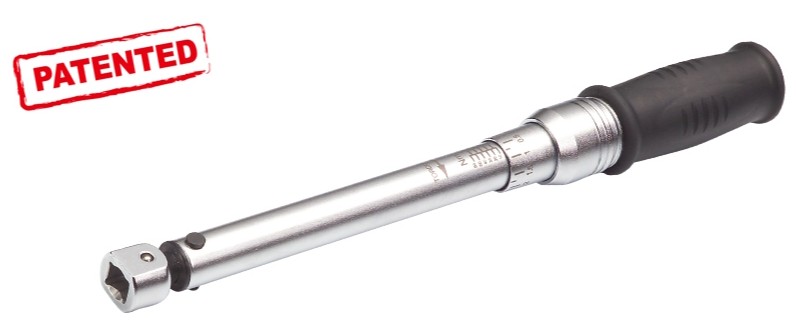
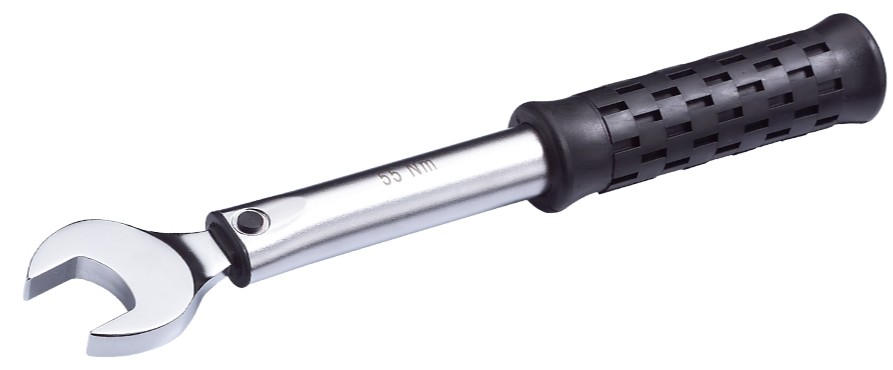

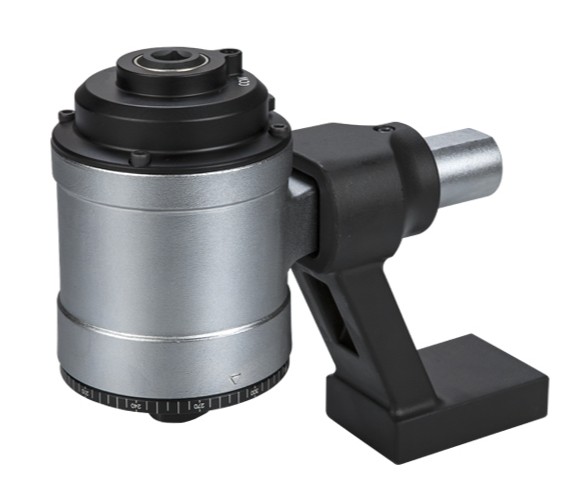
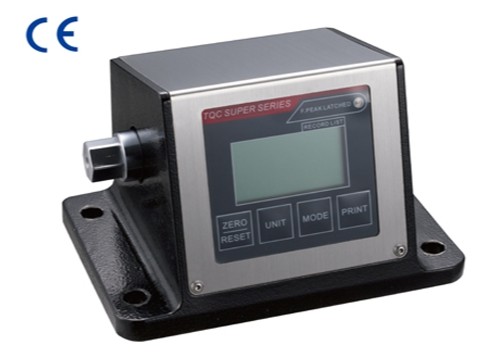

With a commitment to OEM/ODM torque wrench services, Torque-Tech is dedicated to meeting the diverse needs of their customers while ensuring precision and reliability in every tool they produce.
If you are looking for high-quality torque wrench tools, welcome to explore their extensive product offerings! Whether you are a professional or a DIY enthusiast, Torque-Tech has the customized solutions you need to enhance your efficiency and precision. Contact Torque-Tech now to discover how they can assist you!
Comprehensive Overview of Nylon Yarn
Posted: October 21, 2024 Filed under: Industrial, Manufacturer, Textile | Tags: nylon 6 yarn, nylon 66 yarn, nylon yarn Leave a commentNylon yarn, a synthetic fiber, has become an integral component in various industries due to its remarkable properties such as strength, elasticity, and durability. Initially developed by DuPont in the 1930s, nylon has evolved into a versatile material used in textiles, automotive, and industrial applications. This report delves into the properties, production processes, applications, and market trends of nylon yarn, providing a thorough understanding of its significance in modern industries.
Properties of Nylon Yarn
Physical Properties
Nylon is known for its high tenacity, with dry strength ranging from 4.6 to 8.8 grams per denier (g/d), though it experiences a 10-20% reduction in strength when wet (YarnsandFibers). It exhibits excellent elasticity, capable of elongating between 16% and 50%, and has superior elastic recovery due to the strong hydrogen bonds in its structure (Xometry). Nylon is lightweight, with a density of approximately 1.14 grams per cubic centimeter, and has a moisture regain of 2.5-5.0%, making it relatively non-absorbent (YarnsandFibers).
Chemical Properties
Nylon demonstrates good resistance to mild acids and alkalis, though it can be damaged by strong acids (YarnsandFibers). It also resists moths, mildew, and rot, but has moderate resistance to sunlight, which can lead to degradation over time (YarnsandFibers).
Thermal Properties
As a thermoplastic fiber, nylon can be heat set, which enhances its resiliency and dimensional stability. This property is particularly beneficial in applications where shape retention is crucial (YarnsandFibers).
Types of Nylon
Nylon fibers are categorized by the number of carbon atoms in their molecular structure, resulting in various types such as Nylon 6, Nylon 6,6, Nylon 11, and Nylon 12. Each type offers distinct properties suitable for specific applications (The Textile Journal).
Production Process
Nylon yarn production begins with the polymerization of petrochemicals like coal and petroleum. The resulting polymer is melted and extruded through spinnerets to form fibers, which are then stretched, heat-set, and textured to achieve desired properties (ScienceInfo). This process allows for the creation of both continuous filament yarns and staple fibers, which can be spun into yarns of varying compositions (Tonia Knits).
Applications of Nylon Yarn
Textile Industry
Nylon’s strength, elasticity, and moisture-wicking properties make it ideal for apparel, including activewear, hosiery, and lingerie. It is also used in home textiles like carpets and upholstery due to its durability and stain resistance (AYM Syntex).
Automotive and Industrial Uses
In the automotive sector, nylon is used for seat covers, airbags, and tire reinforcements, where its lightweight and durable nature is advantageous. Industrial applications include ropes, nets, and safety harnesses, benefiting from nylon’s high tensile strength and abrasion resistance (TextileEngineering).
Other Applications
Nylon is also employed in the production of fishing lines, medical sutures, and sports equipment, highlighting its versatility across diverse fields (TextileDetails).
Market Trends
Growth and Opportunities
The nylon yarn market is experiencing steady growth, driven by the expanding textile, automotive, and packaging industries. Innovations in production techniques, such as the use of recycled materials, are enhancing the sustainability of nylon yarn, aligning with increasing consumer demand for eco-friendly products (MarketResearchIntellect).
Challenges
Despite its positive outlook, the market faces challenges such as raw material price volatility and environmental concerns associated with petrochemical-based products. Addressing these issues through sustainable practices and technological advancements is crucial for continued growth (MarkwideResearch).
Regional Analysis
The nylon yarn market exhibits regional variations in consumption and production, with significant activity in North America, Europe, and Asia-Pacific. These regions are key players due to their robust textile and automotive industries (QYResearch).
Conclusion
Nylon yarn remains a vital material across various industries due to its unique combination of properties. As the market evolves, focusing on sustainability and innovation will be essential for manufacturers and stakeholders to capitalize on emerging opportunities. The ongoing demand for high-performance materials in textiles, automotive, and industrial applications underscores the importance of nylon yarn in the global market.
Understanding Oil Mist and the Need for Effective Collection
Posted: October 17, 2024 Filed under: Industrial, Manufacturer | Tags: mist collector, oil mist air cleaner, oil mist collector Leave a commentIn many industrial settings, such as CNC machining, grinding, and metalworking operations, oil mist is a common byproduct. This mist is created when coolant or oil is used during machining processes, generating fine droplets that can become airborne. These particles pose several risks in workshops, including air contamination, equipment damage, and health hazards for workers. This is where oil mist air cleaners and industrial air cleaners play a crucial role in maintaining a safe and efficient working environment.
Why Oil Mist Collectors Are Essential
The accumulation of oil mist in the air can have significant consequences. It can lead to slippery floors, damage sensitive electronics, and even increase the risk of fires. Additionally, prolonged exposure to airborne oil mist can result in respiratory issues for workers. To prevent these hazards, businesses often rely on oil mist collectors to capture and filter the mist before it circulates through the workshop.
Types of Oil Mist Collectors
Several types of oil mist filtration systems cater to different industrial needs:
- Coolant mist collectors: These devices are specifically designed to remove coolant mist from the air, which is commonly found in machining operations.
- Small mist collectors: Ideal for confined spaces or smaller machinery, these compact units provide effective mist collection in workshops with limited space.
- Industrial air filter cleaning machines: These machines ensure continuous air filtration by cleaning or replacing filters as needed.
- Industrial HEPA air filters: High-efficiency particulate air (HEPA) filters are often used in mist collection systems to capture fine particles, ensuring clean air in the workshop.
Benefits of Oil Mist Extraction Systems
Using an oil mist extractor has multiple advantages:
- Improved air quality: A high-quality workshop air filtration system can significantly reduce the concentration of harmful particles, leading to cleaner and healthier air.
- Extended equipment life: Coolant mist filters and oil mist extraction systems prevent oil mist from settling on machinery, reducing wear and tear and prolonging the lifespan of the equipment.
- Enhanced safety: Effective mist collection minimizes the risk of slip-and-fall accidents and reduces fire hazards by keeping oil mist under control.
LOMA: Your Trusted Oil Mist Collector Manufacturer
When it comes to finding a reliable oil mist collector manufacturer, Lotus Innovation Technology Co., Ltd. (LOMA) stands out for its high-quality oil mist filtration systems. Whether you need a coolant mist collector, a compact small mist collector, or an advanced industrial air filter cleaning machine, LOMA offers tailored solutions that fit seamlessly with various machine tools. Their oil mist collectors are designed to enhance air quality, protect equipment, and improve workplace safety.
For companies looking to optimize their mist collection systems, LOMA’s expertise and innovative designs make them a trusted partner. Get in touch with LOMA to explore how their oil mist air cleaners can improve the efficiency and safety of your workshop.

The best partner of oil mist collector manufacturer for your workshop—LOMA
 B2B Tool Online